- WORLDWIDE SHIPPING
- 3 YEAR WARRANTY
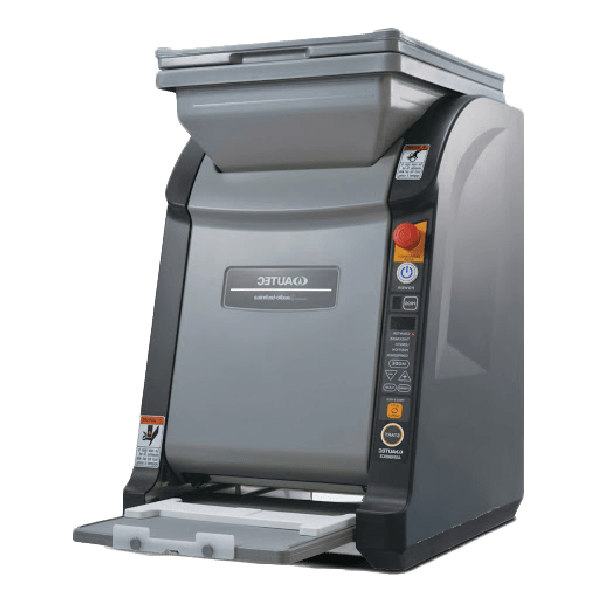
Maki robots, also known as sushi rolling machines, are designed to automate one of the most time-consuming steps in sushi production. Whether you run a restaurant, central kitchen, or food production facility, a maki robot ensures consistent rolls, reduced labor costs, and higher output.
Unlike manual rolling, a sushi rolling machine delivers uniform results every time—perfectly shaped maki rolls with consistent rice distribution and tight structure. This not only improves presentation but also minimizes food waste and speeds up service during peak hours.
Modern maki robots are compact, easy to operate, and built for commercial environments. They are ideal for businesses looking to scale sushi production without compromising on quality.
A maki robot is a specialized type of sushi robot focused entirely on rolling sushi quickly and consistently. For businesses producing large volumes of maki rolls, manual preparation becomes a bottleneck. A sushi rolling machine removes that limitation.
By automating the rolling process, you can significantly increase output while maintaining the same high quality across every roll. This is especially important for takeaway, supermarkets, and central kitchens where consistency and speed directly impact profitability.
Manual sushi rolling requires skill, training, and time. Even experienced chefs may produce variations in size, shape, and density.
A sushi roller machine standardizes the process:
The result is a more efficient workflow and a product that looks identical every time.
Maki robots are ideal for:
If your team spends significant time rolling sushi manually, a maki machine can dramatically improve efficiency.
A maki robot is part of the broader category of sushi robots, but with a clear focus: rolling maki. While other machines handle rice forming or nigiri production, sushi rolling machines are optimized specifically for roll consistency and speed.
This makes them a critical investment for businesses focused on maki-heavy menus.
A maki robot is a type of sushi robot specifically designed for rolling sushi. While “sushi robot” is a broader term that can include nigiri machines and rice mixers, a maki robot focuses solely on producing consistent sushi rolls efficiently.
No, these terms are often used interchangeably. “Maki robot” is more common in the industry, while “sushi rolling machine” is a broader search term used online. Both refer to machines that automate sushi rolling.
For commercial use, yes. A maki robot increases speed, ensures consistency, and reduces labor dependency. Manual rolling may offer flexibility, but it cannot match the efficiency of a sushi roller machine in high-volume environments.
Restaurants with high demand, supermarkets, and central kitchens benefit the most. Any business producing sushi at scale will see improved efficiency and cost savings.
No, but it supports the chef. A sushi robot handles repetitive tasks like rolling, allowing staff to focus on quality control, preparation, and presentation.
We automate the sushi industry. We are the leader in Sushi Robots for the future way of working efficiently.